

Proper dental implant aftercare has a strong influence on healing outcomes and the long-term stability of implants. Although dental implants are intended to replace missing teeth and work like natural teeth, care after dental implant surgery is equally important to the procedure itself.
This guide outlines dental implant aftercare using clear and easy-to-understand language. It covers what to expect after surgery, how to care for the implant site, and how proper aftercare supports oral health over the long term.
Why Dental Implant Aftercare Matters
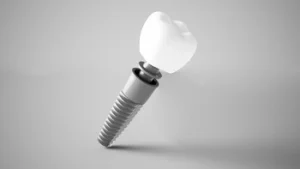 After surgery, the body needs time to heal. During this healing process, the implant fuses with the bone and the surrounding gums recover. Proper dental implant aftercare helps:
- Reduce the risk of infection.
- Support healthy healing around the implant.
- Lower the chance of dental implant failure.
- Protect overall oral health.
Poor care during this stage may increase the risk of implant failure, especially in the early healing period.
What to Expect After Dental Implant Surgery
Dental implant surgery is commonly performed under local anaesthesia, which helps minimise discomfort during the procedure. After surgery, it is normal to experience some side effects, including:
- Mild swelling around the implant site
- Tenderness in the affected area
- Light bleeding from the surgical area
- Minor bruising
These symptoms usually improve within a few days as healing begins.
Managing Pain and Swelling After Surgery
Some people experience pain following surgery, particularly in the first 24 to 48 hours. Pain medication may be recommended by your dentist to help manage discomfort.
Helpful aftercare steps include:
- Taking prescribed medications as directed
- Using ice packs on the outside of the face to reduce swelling
- Resting and avoiding strenuous activity
If excessive bleeding or severe pain occurs, it is important to contact your dentist for advice.
Protecting the Implant Site in the Early Healing Period
The implant site needs to remain undisturbed while the bone and gum tissue heal. During the first few days post-surgery:
- Avoid chewing on the implant side.
- Avoid brushing directly over the surgical area.
- Try not to disturb the area by touching it with fingers or the tongue.
Following the dentist’s instructions closely helps the implant heal properly.
Eating After Implant Surgery
What you eat affects comfort, healing, and pressure on the implant.
Soft Food Diet in the Early Stages
A soft food diet is strongly recommended after surgery. Eating soft foods reduces pressure on the implant and supports a smoother recovery process.
Examples of suitable soft foods include:
- Mashed potatoes
- Scrambled eggs
- Yoghurt
- Smooth soups (not hot)
During the early healing period, it is recommended to choose soft foods and avoid chewing close to the implant site.
Foods to Avoid
Certain foods can interfere with healing or irritate the surgical area. These include:
- Hard foods that require heavy chewing
- Sticky foods that may pull at the gums
- Acidic foods that may irritate the tissue
- Extremely hot foods and hot food in general
Avoid hot drinks and hot food until swelling and tenderness have reduced.
Oral Hygiene After Dental Implant Surgery
Maintaining oral hygiene is essential, but care must be gentle during early healing.
Brushing and Cleaning
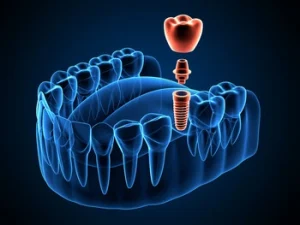 In the first few days, you may be advised to delay brushing directly over the surgical area during the initial healing stage.
- Use a soft-bristle toothbrush.
- Brush gently around the implant.
- Choose a low-abrasive toothpaste.
Good oral hygiene practices help prevent infection and support tissue healing.
Cleaning Between Teeth
Food particles can collect around the implant and nearby teeth. Cleaning between teeth helps protect the gums and the implant.
Options may include:
- Implant-specific floss
- An interdental brush
- An oral irrigator on a gentle setting
Your dentist can recommend the appropriate tools for implant maintenance.
Rinsing the Mouth Safely
Rinsing can help keep the mouth clean, but strong or forceful rinsing should be avoided immediately following surgery.
Gentle rinsing with lukewarm salt water may be recommended after the first day to help soothe the gums and keep the area clean. Avoid commercial mouthwashes unless advised by your dentist.
Smoking and Implant Aftercare
Smoking may slow healing and raise the likelihood of dental implant failure. It may reduce blood flow to the gums and affect how the implant bonds with the bone.
As part of proper dental implant care, patients are usually advised to avoid smoking during the healing period and beyond, if possible.
Signs of Healing vs Warning Signs
Knowing what’s normal helps you spot problems early and act.
Normal Healing Signs
As the healing process continues, it is normal to notice:
- Reduced swelling over time
- Less discomfort each day
- Gums becoming firmer around the implant
Warning Signs to Watch For
Certain symptoms may indicate a problem and should not be ignored. Warning signs include:
- Excessive bleeding that does not stop
- Increasing pain after the first few days
- Symptoms of infection, including swelling or discharge
- Numbness that may suggest nerve damage
Early detection of issues allows prompt care and may prevent dental implant failure. If warning signs appear, contact your dentist as soon as possible.
Long-Term Implant Aftercare and Maintenance
Dental implant aftercare does not stop once the implant has healed. Long-term implant maintenance is essential for keeping implants healthy.
Daily Care at Home
Long-term care includes:
- Brushing twice daily
- Cleaning around the implant and adjacent teeth
- Using recommended cleaning aids
Proper maintenance supports the health of the gums and bone around the implant.
Regular Dental Check Ups
Regular dental check-ups allow the implant dentist to monitor healing and implant stability. These visits support early detection of problems and help protect overall oral health.
Gum Health and Implant Longevity
Healthy gums are essential for implant success. Gum disease around the implant can affect bone support and may contribute to implant failure.
Keeping up with good oral hygiene and attending regular dental visits helps support the gum tissue around the implant.
 Supporting Healing With a Balanced Diet
 Supporting Healing With a Balanced Diet
A balanced diet supports the body’s ability to heal. During recovery, focus on foods that are soft but nutritious. Drinking enough water and avoiding irritating foods supports tissue repair.
Good nutrition, combined with proper aftercare, helps the implant integrate and function well over time.
Final Thoughts
Dental implant aftercare is a key part of successful implant treatment. By following the dentist’s instructions, maintaining good oral hygiene, and attending regular dental check-ups, patients can support healing and protect their implants long-term.
With proper aftercare and ongoing dental care, dental implants can support oral health, restore function, and help maintain a confident smile well into the future.
If you’re recovering from dental implant surgery or have questions about dental implant aftercare, you can book a consultation with us at Bright Dental Group or call (02) 4708 9691 to discuss your recovery and ongoing care with a dentist.
Note: Any surgical or invasive procedure carries risks. Before proceeding, you should seek a second opinion from an appropriately qualified health practitioner.
Resources
Colgate-Palmolive Company (2023). ‘What Is Good Oral Hygiene?’. Colgate, 9 January. New York, NY: Colgate-Palmolive Company.
https://www.colgate.com/en-us/oral-health/adult-oral-care/what-is-good-oral-hygiene
Cleveland Clinic (2025). ‘Local Anesthesia’. Cleveland Clinic, last reviewed 24 March. Cleveland, OH: Cleveland Clinic.
https://my.clevelandclinic.org/health/procedures/local-anesthesia
Kubala, J. (2023). ‘Soft Food Diet: Foods to Eat and Foods to Avoid’. Healthline, updated 15 March. San Francisco, CA: Healthline Media.
https://www.healthline.com/nutrition/soft-food-diet


Although dental implants have been used in dentistry since the 1960s, recent innovations such as digital imaging, CAD/CAM technology, and Read more


Recent Comments