

Dental bone graft healing stages describe how the body rebuilds bone after a dental bone graft. This process is gradual and involves several steps that support the return of healthy bone tissue.
A bone graft is often recommended to create a stable base for future dental implants, especially in areas where bone loss has occurred. By rebuilding the underlying structure, the procedure helps prepare the jaw for long-term dental treatment.
Understanding what happens at each stage can help you feel more prepared after a dental bone graft procedure. It also helps you recognise what is normal during recovery and how to support the healing process.
What Is A Dental Bone Graft?
A dental bone graft is a surgical procedure used to rebuild areas where bone has been lost. This may happen after gum disease, tooth loss, or other dental problems that affect the structure of the jawbone.
The purpose of a bone graft is to rebuild bone density and create a stable foundation for future dental treatment, such as dental implants. By replacing missing bone, the graft supports both function and long-term oral health.
Why Bone Loss Occurs
Bone loss can develop when natural bone is no longer stimulated. This often happens after a tooth is removed or lost. Without regular pressure from chewing, the bone in that area may begin to shrink.
Conditions such as periodontal disease can also affect bone tissue. Over time, this may lead to changes in the shape and strength of the jawbone.
A bone graft procedure helps rebuild the structure by introducing new bone material to the area.
Types Of Bone Graft Material
The type of graft material used can influence how the healing stages progress.
 Common Material Options
 Common Material Options
Bone graft material may include:
- Donor bone taken from another source.
- Synthetic bone grafts made from synthetic materials.
- Animal bone processed for dental use.
Each type is designed to act as a scaffold. This means the graft acts as a framework where bone cells can grow and develop.
Overview Of Dental Bone Graft Healing Stages
The dental bone graft healing stages involve both soft tissue healing and deeper bone repair. These stages occur over time and vary depending on the individual and the size of the graft.
While the timeline differs from person to person, the overall healing stages follow a consistent pattern.
Stage 1: Initial Healing And Blood Clot Formation
This stage focuses on protection and early healing at the site.
What Happens Early On
The first stage begins immediately after the dental surgery. A blood clot forms at the graft site, helping protect the area and support the early stages of healing.
Blood clot formation is important because it allows blood vessels to develop. These blood vessels bring nutrients and oxygen to the surgical site, which supports tissue regeneration.
What You May Notice
During initial recovery, it is common to experience:
- Minor bleeding
- Mild swelling
- Some discomfort
Pain medications may be suggested to help manage discomfort. Keeping your head elevated during rest can help reduce swelling.
Stage 2: Soft Tissue Healing
This stage involves the gums closing and protecting the graft area.
Gum Tissue Recovery
Once the blood clot stabilises, soft tissue healing begins. The gum tissue around the graft site starts to close and protect the area.
This stage focuses on repairing the surface of the surgical site. While it may appear that healing is complete, the deeper bone healing is still ongoing.
Supporting This Stage
Following a soft diet and avoiding pressure on the area can help protect the graft. Maintaining good oral hygiene is also important, but it should be done gently to avoid disturbing the healing tissue.
Stage 3: Early Bone Formation
This stage marks the beginning of new bone development around the graft.
New Bone Cells Develop
During this stage, early bone formation begins. Bone cells begin to grow around the graft material.
The graft material gradually integrates with the surrounding natural bone. This process supports new bone growth and strengthens the area over time.
Role Of The Body
The body’s natural processes drive this stage. Bone cells form and connect with the graft, helping rebuild the underlying tooth structure.
Stage 4: Bone Growth And Integration
This stage focuses on strengthening and blending new bone with existing bone.
Building Healthy Bone Tissue
As healing continues, bone growth becomes more established. The grafted bone begins to blend with the existing bone tissue.
This stage is sometimes referred to as bone graft integration. The area becomes stronger as new bone cells continue to develop.
Importance Of Stability
At this point, the graft site needs to remain stable. Avoiding pressure or disruption helps ensure the bone graft healing process continues as expected.
Stage 5: Bone Maturation
This stage completes the development of a strong and stable bone structure.
Final Stage Of Healing
Bone maturation is the final stage in the graft healing stages. The new bone becomes more structured and dense.
This stage may take several months, depending on the amount of bone needed and the individual’s healing response.
Preparing For Implant Placement
Once bone maturation is complete, the area may be ready for implant placement. The goal is to have enough healthy bone tissue to support dental implants.
Factors That Affect Healing
Several factors can influence how dental bone graft healing progresses.
Individual Health
Conditions such as autoimmune disorders or overall health factors may affect the healing process. The body’s ability to form new bone plays a key role in recovery.
Oral Health Habits
Maintaining good oral hygiene supports healing. Poor oral hygiene can increase the risk of complications during recovery.
Nutrition And Support
Nutrients such as vitamin D can support bone formation. A balanced diet and proper care can help maintain healthy bone tissue during recovery.
What To Expect During Recovery
Common changes during healing can vary, but usually settle over time.
Common Experiences
During bone graft healing, patients may notice:
- Mild discomfort at the surgical site
- Slight swelling or sensitivity
- Gradual improvement over time
Severe pain or ongoing pain may require further assessment. If symptoms do not improve, it is best to speak with a dentist.
Follow-Up Care
Follow-up appointments allow the dentist to monitor healing. These visits help ensure that the graft is progressing as expected.
What You Can And Can’t Do During Healing
Daily habits can influence how well a bone graft heals. During the healing stages, it is important to protect the graft site while supporting overall oral health.
In the early stages, a soft diet is usually recommended. Soft foods help reduce pressure on the surgical site and allow the graft material to remain stable. Avoiding hard or crunchy foods can help prevent unnecessary movement at the graft site.
Keeping the head elevated during rest can also support healing by reducing swelling. This is particularly helpful during the initial recovery period.
Oral hygiene remains important, but it should be approached carefully. Gentle brushing around the area and maintaining excellent oral hygiene can support the healing process without disturbing the graft.
There are also certain habits that are best avoided during healing. Applying pressure to the area, touching the surgical site, or disrupting the blood clot can interfere with bone graft healing.
As the healing process progresses, normal routines can gradually return. The timing of this depends on how the graft healing stages are progressing and how stable the area feels.
Follow-up appointments allow a dentist to guide you on when it is appropriate to resume certain activities. This helps ensure that daily habits support, rather than interrupt, the healing process.
How Your Body Replaces The Graft Over Time
A key part of dental bone graft healing is how the body gradually replaces the graft material with natural bone. This process explains how a bone graft becomes part of the existing bone structure.
 After the graft is placed, it acts as a scaffold within the surgical site. The graft material supports the development of blood vessels and provides a structure where bone cells can attach.
As healing continues, the body begins to produce new bone cells around the graft. These cells contribute to bone formation, gradually filling in the area with new bone.
Over time, the grafted bone is slowly replaced by bone formed by the body. This process is known as bone remodelling. The result is healthy bone tissue that reflects the body’s natural structure.
The speed of this process can vary depending on factors such as the type of bone graft material used, the condition of the surrounding bone, and overall health.
This replacement process is important because it allows the area to regain strength and function. It also helps create a solid foundation for future treatments, such as dental implants.
Understanding this process can make the healing stages easier to follow, as it shows how the graft works with the body rather than remaining separate from it.
Can Bone Graft Healing Fail, and What Does That Mean?
Bone graft healing usually progresses as expected, but in some cases, the outcome may differ from the original plan. This is sometimes referred to as graft failure.
Graft failure does not always mean that the procedure was unsuccessful in a complete sense. In many situations, it simply means that the graft material did not integrate fully with the surrounding bone tissue or did not develop into the level of bone needed.
There are different factors that can influence this outcome. These may include the condition of the existing bone, how stable the graft site remains during healing, and how the body responds to the graft material. General health and oral health habits can also play a role in how the area heals.
When a bone graft does not heal as expected, the next steps depend on the situation. In some cases, the area may continue to improve over a longer period. In others, additional treatment may be considered to support further bone formation.
It is important to understand that this outcome is not common, and it is usually identified during follow-up appointments. These assessments allow the dentist to monitor bone growth and determine whether the grafted bone is developing into healthy bone tissue.
If a graft does not provide the desired result, it does not prevent future treatment. A revised treatment plan can often be developed based on how the area has responded.
Understanding this possibility can help set realistic expectations without creating concern. The focus remains on how the body responds over time and how each stage of healing supports long-term oral health.
What The Graft Area Should Feel Like Over Time
The way the graft area feels can change throughout the healing process. These changes are usually gradual and reflect how the body is progressing through different stages of bone graft healing.
In the early phase, the area may feel sensitive or slightly tender. This is expected after a surgical procedure, as the body responds to the graft material and begins initial healing. Some patients notice a feeling of pressure or awareness around the graft site, especially when eating or speaking. This tends to settle as the surgical site stabilises.
As healing moves into the next stage, the area often becomes less sensitive. The gum tissue begins to feel more secure, and everyday activities may feel more comfortable. At this point, the graft site may still feel different from surrounding areas, but it usually becomes easier to manage as the soft tissue healing continues.
During the middle stages of healing, when bone growth is developing, the graft area may feel more stable. Patients often describe a reduced awareness of the site, even though bigger changes are still taking place within the bone tissue. This stage is less about noticeable sensations and more about gradual improvement in how the area feels overall.
In the later stages, as bone maturation progresses, the grafted area often begins to feel more like natural bone. The difference between the graft site and the surrounding bone becomes less noticeable. Chewing and speaking typically feel more normal as the area adapts.
It is also common for the sensation to vary slightly from day to day. Small changes in comfort can occur as the healing process continues, but these changes usually move in a positive direction over time.
Understanding how the graft area should feel at different stages can help set clear expectations. Rather than focusing on a single moment, it is more helpful to look for gradual improvement and increased comfort as healing progresses.
Signs Of Normal Healing
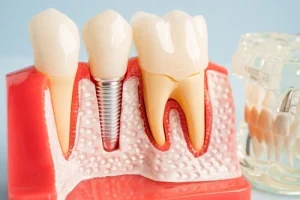 Normal bone healing usually involves gradual improvement in comfort and stability.
Positive Signs
- Reduced swelling over time
- Stable gum tissue
- No signs of infection
These signs indicate that the graft healing is progressing as expected.
When Healing May Be Delayed
In some cases, healing may take longer than expected.
Possible Causes
- Infection at the surgical site
- Poor oral hygiene
- Disruption of the graft site
In rare cases, graft failure may occur. This means the graft does not integrate with the surrounding bone.
Final Thoughts On Dental Bone Graft Healing Stages
Dental bone graft healing stages reflect how the body rebuilds bone over time. From initial healing to bone maturation, each stage plays an important role in restoring bone strength.
Understanding the process can help set clear expectations and support recovery. With proper care and follow-up, bone graft healing can create a stable foundation for future dental treatment, including dental implants.
If you are concerned about bone loss or would like support with healing after a dental bone graft, you can book a consultation with us at Bright Dental Group or call (02) 4708 9691.
Resources
“Cleveland Clinic (2024). ‘Dental Bone Graft’. Cleveland Clinic, 6 August. Cleveland, OH: Cleveland Clinic. https://my.clevelandclinic.org/health/treatments/21727-dental-bone-graft”
“Kubala, J. (2023). ‘Soft Food Diet: Foods To Eat And Foods To Avoid’. Healthline, 15 March. San Francisco, CA: Healthline Media. https://www.healthline.com/nutrition/soft-food-diet”
“Colgate (2023). ‘What Is Good Oral Hygiene?’. Colgate, 9 January. New York, NY: Colgate-Palmolive Company. https://www.colgate.com/en-us/oral-health/adult-oral-care/what-is-good-oral-hygiene”
“Mayo Clinic Staff (2024). ‘Dental Implant Surgery’. Mayo Clinic, 23 October. Rochester, MN: Mayo Foundation for Medical Education and Research. https://www.mayoclinic.org/tests-procedures/dental-implant-surgery/about/pac-20384622”
“Healthdirect Australia (2025). ‘Gum Disease’. Healthdirect Australia, February. Canberra, ACT: Australian Government Department of Health. https://www.healthdirect.gov.au/gum-disease”


Although dental implants have been used in dentistry since the 1960s, recent innovations such as digital imaging, CAD/CAM technology, and Read more


Recent Comments