

Losing a tooth affects more than just the visible gap in your smile. Beneath the gumline, the jawbone that once held that tooth in place begins to change. Understanding dental implant bone loss and how it can be managed helps patients make informed decisions about their oral health.
Quick Overview
- Dental implant bone loss refers to the reduction of jawbone density and volume around an implant site, or prior to placement, due to tooth loss or gum disease
- It may affect patients who have had missing teeth for some time, those with a history of gum disease, or those who have experienced significant bone loss before seeking treatment
- Bone grafting, guided bone regeneration, and sinus augmentation are among the options that may help rebuild bone volume for implant placement
- Factors such as how long teeth have been missing, oral hygiene habits, smoking status, and certain medical conditions can all affect bone levels and implant success
- An assessment, including 3D imaging and a review of your dental and medical history, is typically required to determine the most appropriate path
Below, we explain the causes, treatment options, and how different factors influence what to expect.
What Causes Bone Loss Around Dental Implants?
Bone loss around a dental implant site can happen for several reasons, and it does not always begin after implant placement. In many cases, meaningful bone loss has already occurred by the time a patient seeks an implant solution.
Tooth loss and bone resorption
The jawbone relies on stimulation from tooth roots to maintain its density. When a tooth is lost, that stimulation stops. The bone in that area begins to resorb, meaning the body gradually breaks it down. This process typically begins within weeks of extraction and continues at a slower rate if the tooth is not replaced.
Gum disease and peri-implantitis
Advanced gum disease causing bone loss around teeth, known as periodontitis, is one of the most common contributors to bone loss before implant placement. Around existing implants, a related condition called peri-implantitis can develop. This is an inflammatory condition affecting the tissue and bone surrounding an implant, and ongoing monitoring after placement is important for managing it.
Smoking
Smoking is associated with greater marginal bone loss around implants and a higher rate of peri-implantitis. Patients who smoke carry a different risk profile and are generally counselled on this before treatment begins.
Medical conditions and medications
Certain systemic conditions, including osteoporosis and autoimmune disease, as well as some medications such as bisphosphonates, may affect bone quality and density. These factors are considered as part of any implant assessment.
What Affects Bone Loss After a Tooth Is Removed?
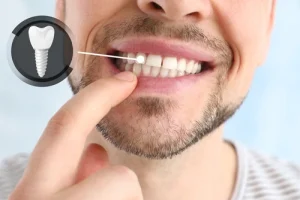 When a tooth is extracted, the surrounding bone no longer receives the mechanical stimulation it needs to maintain its volume. Bone volume can reduce significantly in the months following extraction, and the pace and extent of that loss vary considerably between individuals depending on anatomy, systemic health, and oral hygiene.
This progression helps explain why timing matters. The longer a tooth remains unreplaced, the more bone volume may be lost, and the more complex the pathway to implant placement can become.
Jawbone health is one of the key factors that affect dental implant suitability, alongside your overall health and any existing dental conditions.
How to Support Bone Health Around Implants
Caring for the bone and tissue around an implant long-term is an active process. Steps that may help maintain bone health include:
- Maintaining thorough oral hygiene: Caring for dental implants long-term includes brushing twice daily and cleaning between teeth with floss or interdental brushes to reduce plaque accumulation around implant sites
- Attending regular dental check-ups: Routine monitoring allows any changes in bone levels or tissue health to be identified early
- Quitting smoking: If you currently smoke, speaking with your dentist about options before and after implant treatment is worth considering
- Managing systemic health conditions: Keeping conditions such as diabetes well controlled supports healing and long-term bone health
- Reporting changes promptly: Swelling, discomfort, or bleeding around an implant site are signs that should be assessed without delay
A Considered Approach to Dental Implant Bone Loss
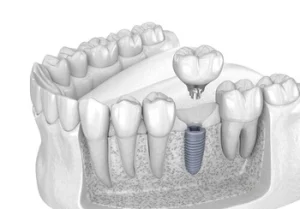 Not every patient who has experienced bone loss is automatically excluded from dental implants. In many cases, a planned treatment pathway, whether that involves bone grafting, sinus augmentation, or careful implant placement, may create a viable path forward. What that looks like depends on the individual situation, and detailed assessment is where that understanding begins.
At Bright Dental Group, the team uses CBCT 3D imaging to evaluate bone volume and quality as part of the implant planning process. If you would like to understand your options, call us on (02) 4708 9691 or book an appointment at our Glenmore Park practice.
Frequently Asked Questions
How quickly does the jaw lose bone after a tooth is extracted?
Bone resorption begins within weeks of a tooth being lost. Bone volume in the area of extraction can reduce substantially within the first six months, and the process continues at a slower rate if the tooth is not replaced. This is why timely replacement of missing teeth and early assessment of bone levels are considered important for those exploring implant options.
What is a sinus lift and when is it needed for dental implants?
A sinus lift is a surgical procedure used when there is insufficient bone height in the upper jaw to safely place an implant. After tooth loss in the upper back teeth area, the sinus cavity can expand into the space previously occupied by bone. A sinus lift raises the sinus membrane and places bone graft material in the area below, creating the bone depth needed for implant placement. It is assessed on an individual basis depending on anatomy and imaging findings.
Note: Any surgical or invasive procedure carries risks. Before proceeding, you should seek a second opinion from an appropriately qualified health practitioner.
References
Better Health Channel. (n.d.). ‘Gum disease’. Better Health Channel. Melbourne: Victorian Government Department of Health. https://www.betterhealth.vic.gov.au/health/conditionsandtreatments/gum-disease
Healthdirect Australia. (n.d.). ‘Dental implant’. Healthdirect Australia. Canberra: Australian Government. https://www.healthdirect.gov.au/dental-implant
Australian Dental Association. (n.d.). ‘Dental Implants’. Teeth.org.au. Sydney: Australian Dental Association. https://www.teeth.org.au/dental-implants


Although dental implants have been used in dentistry since the 1960s, recent innovations such as digital imaging, CAD/CAM technology, and Read more


Recent Comments