

Receding gums are not always obvious at first. The gum tissue pulls back gradually, and by the time it becomes noticeable, the surrounding bone and soft tissue may already be affected. For anyone considering or currently living with dental implants, understanding how dental implant gum recession develops and what influences it is a practical part of protecting your oral health long-term.
Gum health plays a direct role in how well an implant integrates and holds over time. Dental implants and gum health are closely connected: healthy gums provide the soft tissue support and stable foundation that an implant relies on. When that tissue begins to recede, it can affect the stability and appearance of the implant, and in some cases, may increase the risk of further complications.
Quick Overview
- Dental implant gum recession refers to the gradual loss of gum tissue around a dental implant or the surrounding teeth
- It may affect patients with a history of gum disease, those who grind their teeth, or those with thinner gum tissue prior to implant placement
- Managing gum recession around implants may involve changes to oral hygiene habits, monitoring, or in some cases, soft tissue procedures
- Several factors influence how gum tissue responds before and after implant surgery, including oral hygiene, lifestyle habits, and the condition of the gums at the time of placement
- An assessment of gum health is typically part of the implant planning process
Keep reading to understand the causes, risk factors, and what careful management of gum health may involve.
What Is Dental Implant Gum Recession?
Gum recession refers to the loss of gum tissue along the gumline, which exposes more of the tooth root or, in the case of implants, more of the implant surface. Around natural teeth, recession is a gradual process. Around implants, the same progressive pattern can occur and, if left unaddressed, may affect the long-term stability of the restoration.
Unlike natural teeth, implants do not have a periodontal ligament, meaning the attachment between the implant and surrounding tissue is different from that of a natural tooth. This makes the quality and volume of the surrounding gum tissue particularly relevant to implant outcomes.
What Causes Gum Recession Around Dental Implants?
Gum recession around implants rarely has a single cause. Several factors can contribute, often in combination.
Gum disease (periodontitis)
Gum disease progressing to periodontitis is one of the most common underlying causes of gum recession, both before and after implant placement. Periodontitis causes the gums to pull away from the teeth and bone, reducing the tissue support available for implants. Patients with a history of periodontal disease are generally assessed carefully before implant surgery, as active gum disease needs to be controlled before placement can proceed.
Around existing implants, a related condition called peri-implantitis can develop. This is an inflammatory response affecting the tissue and bone surrounding the implant, and it can lead to further recession if not managed.
Poor oral hygiene
Plaque that is not adequately removed builds up along the gumline and between teeth. Over time, this can lead to inflammation, gum disease, and recession around both natural teeth and implants.
Teeth grinding (bruxism)
Teeth grinding, known as bruxism, places repetitive mechanical stress on the teeth, gums, and jaw. This undue stress can contribute to gum recession over time, and for implant patients, the forces generated during grinding may also affect the stability of the implant itself.
Tobacco use
Smoking and other tobacco products are associated with reduced blood flow to the gum tissue, which can slow healing after implant surgery and increase susceptibility to infection. Tobacco use is a recognised risk factor for gum disease and further recession.
Thinner gum tissue
Some patients naturally have thinner gum tissue. Thinner tissue is more prone to recession than thicker tissue, and this is a factor that your dentist will assess as part of the implant planning process.
Can You Get Dental Implants If You Have Gum Recession?
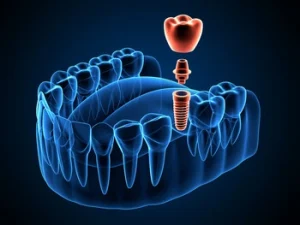 Gum recession does not automatically exclude someone from dental implants, but it does need to be assessed and, where necessary, addressed before placement proceeds.
If recession is mild and gum disease is under control, implant placement may still be possible with appropriate preparation. In cases of more significant recession, a soft tissue procedure, sometimes called a gum graft, may be needed to rebuild the gum tissue and create a stable foundation before or alongside implant surgery.
Every patient’s situation is different. The volume and quality of both gum tissue and the underlying jawbone are assessed before a treatment plan is developed.
How to Keep Gums Healthy Around Implants
Maintaining healthy gums around your implants long-term requires consistent daily care alongside regular professional monitoring. Steps that may help include:
- Brushing twice daily with a soft-bristled toothbrush, taking care around the gumline
- Cleaning between teeth and around implants using floss, interdental brushes, or a water flosser
- Using an antibacterial mouthwash as directed by your dentist, to help reduce oral bacteria around the implant site
- Attending regular dental check-ups so that any early signs of recession or peri-implantitis can be identified and managed promptly
- Addressing teeth grinding with a nightguard if bruxism is a factor
- Avoiding tobacco products, which are associated with impaired healing and increased risk of gum disease
Early intervention makes a significant difference. Changes to the gum tissue around an implant that are caught early are generally more straightforward to manage than those that have been left unaddressed.
A Considered Approach to Dental Implant Gum Recession
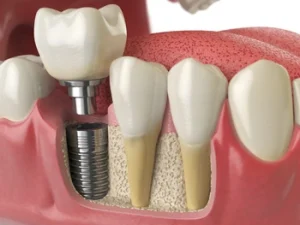 Gum health is not a one-time consideration before implant surgery. It is an ongoing part of caring for your implant over the long term. A thorough assessment, a carefully developed treatment plan, and consistent follow-up are all part of what supports implant success over time. Individual outcomes vary, and the factors that influence gum health around implants differ from person to person.
At Bright Dental Group, the team uses CBCT 3D imaging to evaluate bone and gum tissue as part of the implant planning process. If you have questions about your gum health or would like to understand your implant options, call us on (02) 4708 9691 or contact our Glenmore Park team.
Note: Any surgical or invasive procedure carries risks. Before proceeding, you should seek a second opinion from an appropriately qualified health practitioner.
Frequently Asked Questions
Can gum recession affect dental implant success?
Gum recession around an implant can affect its long-term stability and appearance. When gum tissue pulls back, more of the implant surface may become exposed, which can increase the risk of peri-implantitis, an inflammatory condition affecting the tissue and bone around the implant. Early identification and management of recession is important for implant health. Individual outcomes vary depending on the extent of recession and underlying factors.
Does gum disease stop you from getting dental implants?
Active gum disease generally needs to be treated and stabilised before dental implant placement can proceed. Once gum disease is under control and the tissue has had time to heal, implants may still be a suitable option depending on the overall condition of the gums and jawbone. Your dentist will assess your gum health as part of the implant planning process to determine the most appropriate pathway.
References
Healthdirect Australia. (n.d.). ‘Gum disease’. Healthdirect Australia. Canberra: Australian Government. https://www.healthdirect.gov.au/gum-disease
Better Health Channel. (n.d.). ‘Teeth grinding’. Better Health Channel. Melbourne: Victorian Government Department of Health. https://www.betterhealth.vic.gov.au/health/conditionsandtreatments/teeth-grinding
Australian Dental Association. (n.d.). ‘Gum disease’. Teeth.org.au. Sydney: Australian Dental Association. https://www.teeth.org.au/gum-diseases


Although dental implants have been used in dentistry since the 1960s, recent innovations such as digital imaging, CAD/CAM technology, and Read more


Recent Comments